Light
Choose plants that suit the lighting you already have. Stronger light can support faster growth, but it also increases demand for nutrients and carbon.


Live plants bring colour, movement and depth to freshwater aquariums. From easy Anubias and Java Fern to rare Bucephalandra and statement plants, discover species that suit your setup and help your aquarium grow into something truly natural.
Whether you want something easy to keep, plants for rock and wood, a lush background or a rare feature plant, start with the way you want your aquarium to look and the level of care that suits you.
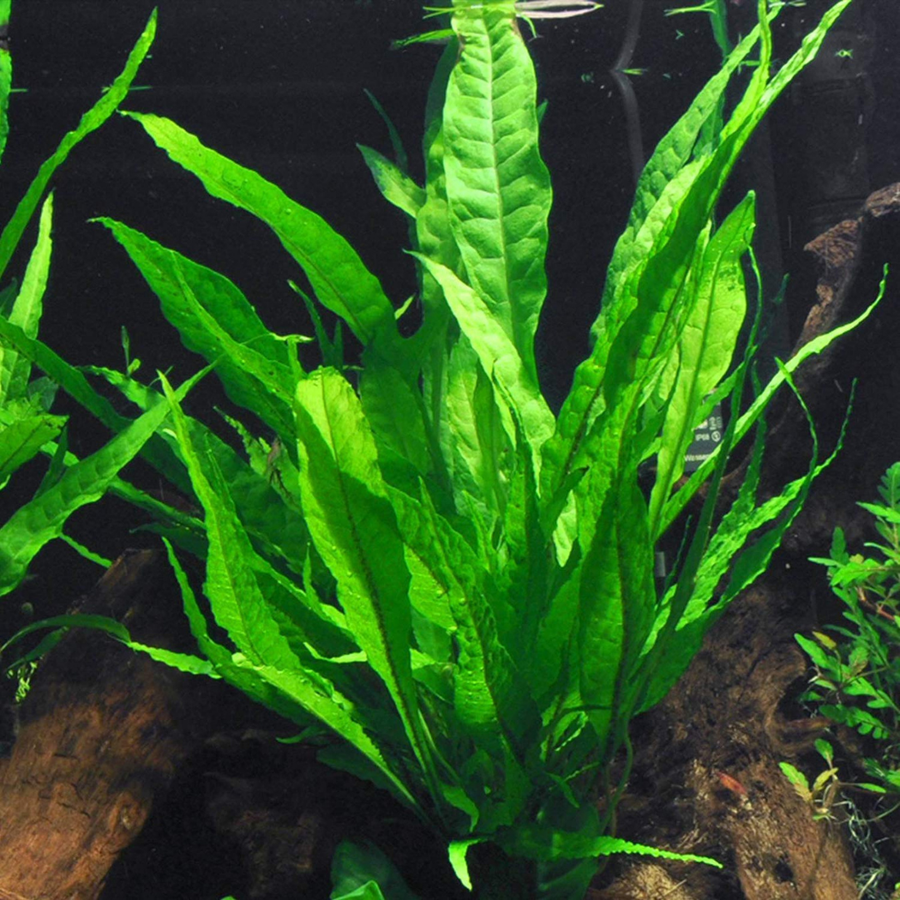
Reliable, attractive plants that suit simpler setups and make it easier to enjoy a planted aquarium without demanding constant attention.
Shop easy-care plants →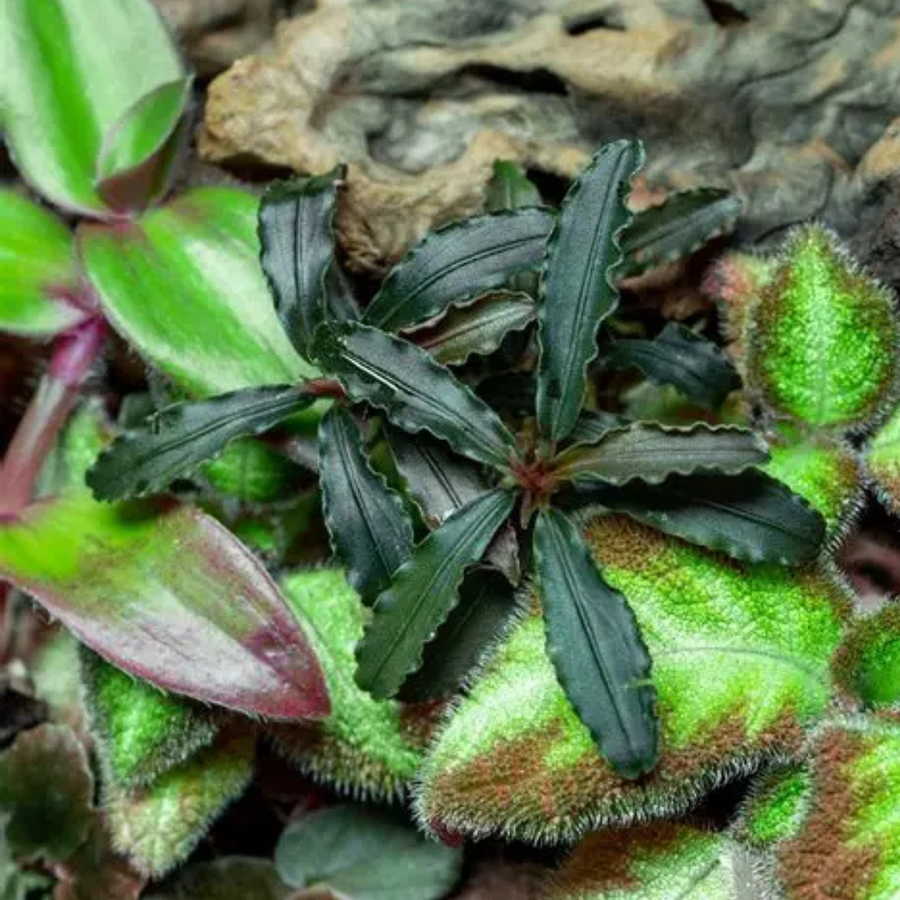
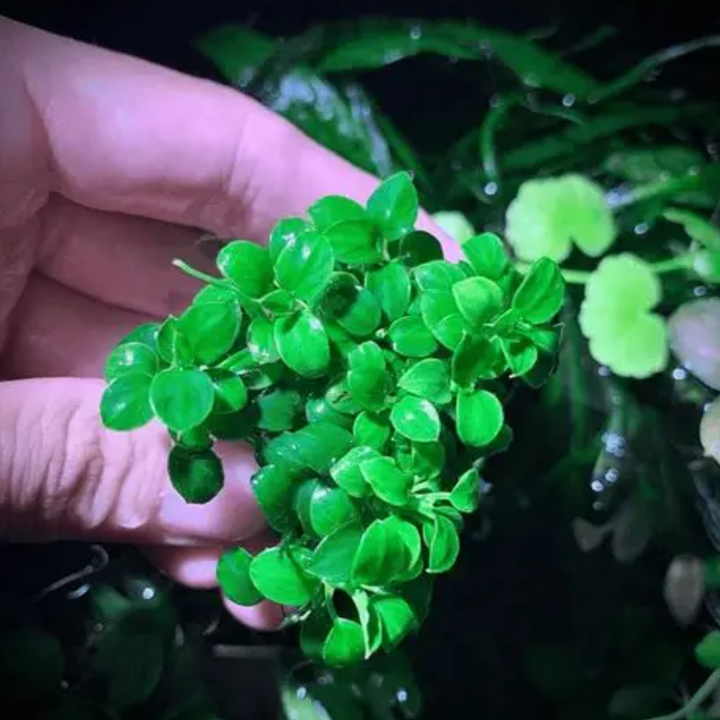
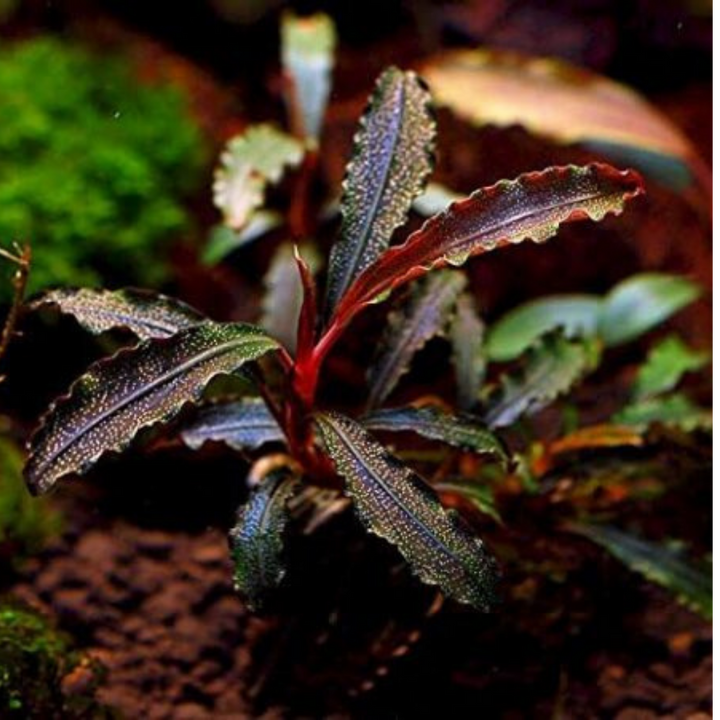
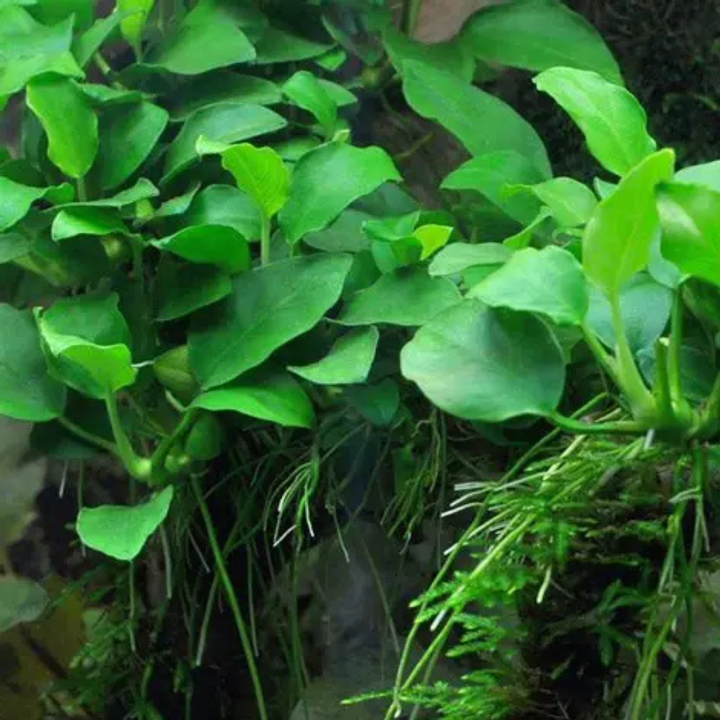
Add texture and detail to driftwood and stone with Anubias, Bucephalandra and other epiphytes that grow beautifully on hardscape.
Shop hardscape plants →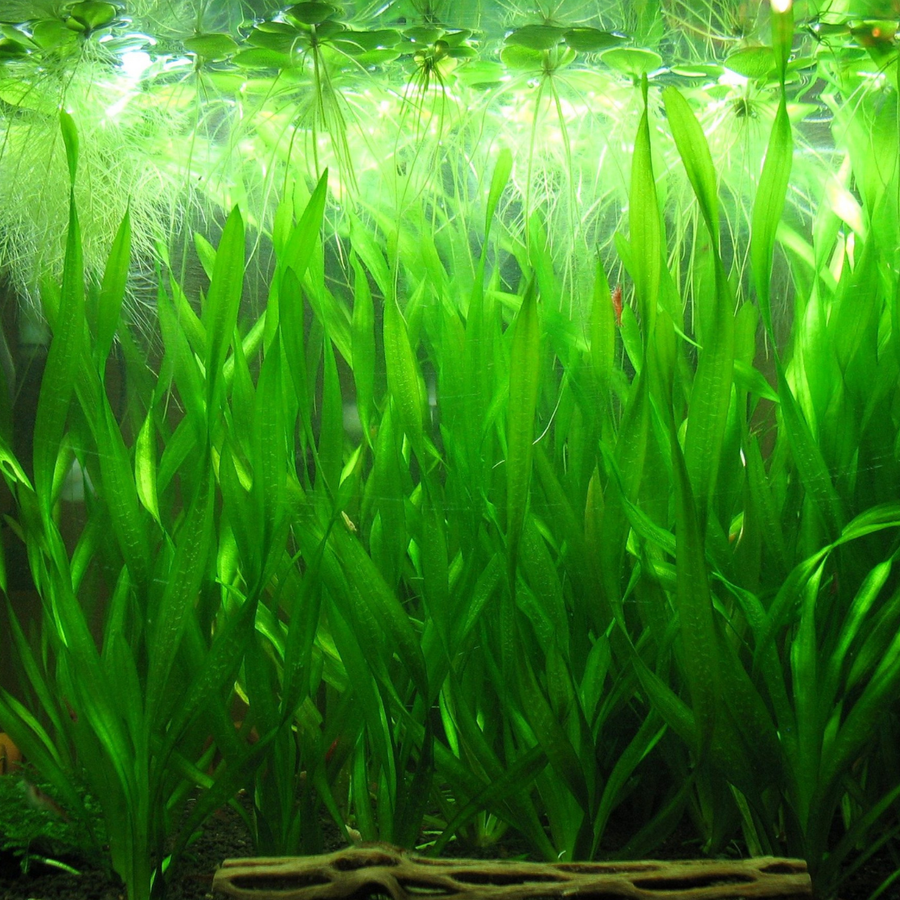
Create a fuller, more natural backdrop with taller plants that add movement, soften equipment and give the aquarium a greater sense of depth.
Shop background plants →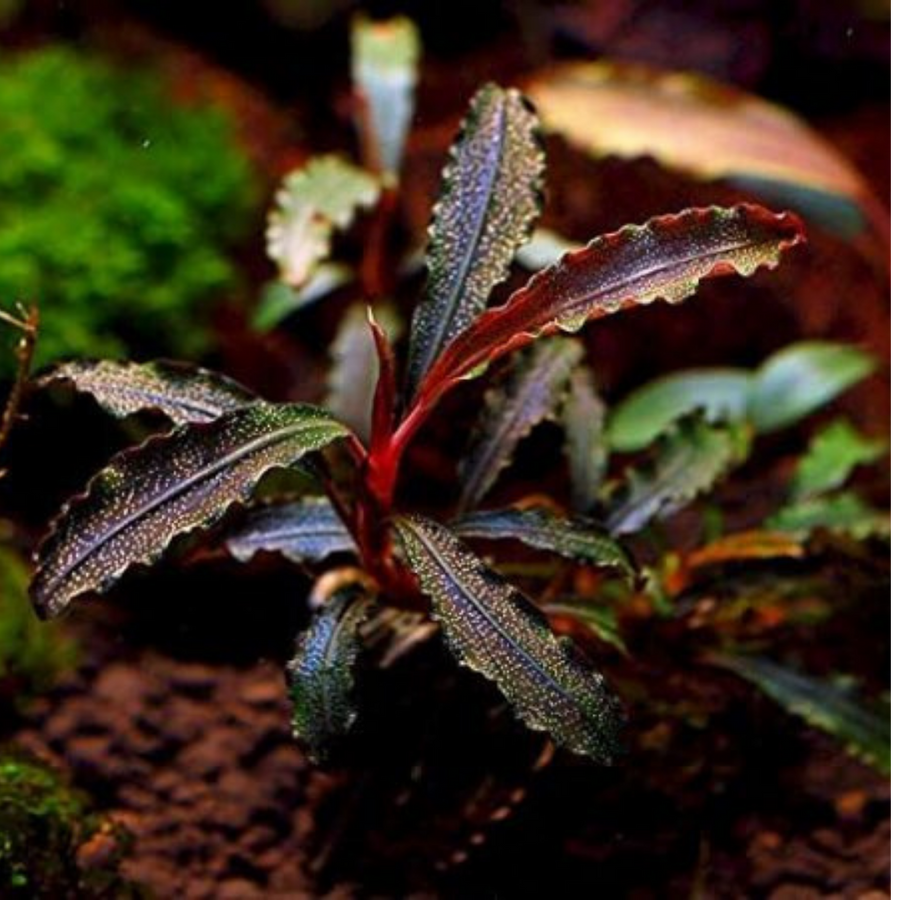
Explore unusual leaf shapes, rich textures and slower-growing varieties chosen for aquariums where the plants themselves are part of the display.
Shop rare plants →Browse our current selection of freshwater aquarium plants, from hardy everyday favourites to distinctive species for more detailed aquascapes.
Use our aquarium plant guides to choose species with confidence, understand how they grow and solve common planted-aquarium problems.

Choose Betta aquarium plants by how the fish actually uses them: resting height, surface access, shade, cover, gentle structure and safe hardscape placement.
Read guide →
A practical guide to reading aquarium plant deficiency patterns without relying on simplistic colour charts: old vs new growth, local vs whole-tank symptoms and...
Read guide →
Learn how to tell normal aquarium plant transition from genuine decline by reading old leaves, new growth, roots, rhizomes, crowns and the timing of...
Read guide →
Understand why some aquarium plants depend heavily on substrate nutrition while others feed mainly from the water column, and how that changes fertilisation decisions.
Read guide →
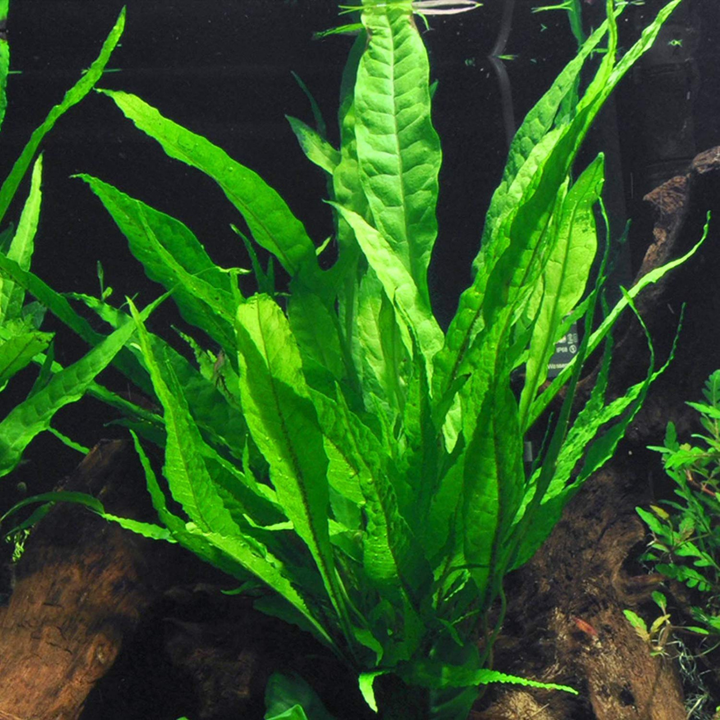
Understand epiphyte aquarium plants through the differences between Anubias, Java Fern and Bucephalandra: how they attach, grow, feed and change a hardscape.
Read guide →
A complete Amazon Sword guide covering mature size, root feeding, substrate, light, leaf changes, propagation and how to use Echinodorus as a long-term feature...
Read guide →
A complete Vallisneria guide covering planting, runners, melting, light, root nutrition, trimming, propagation and how to use Vallisneria as a living aquarium background.
Read guide →
How to grow Monte Carlo as a real aquarium carpet, including planting density, light, substrate, trimming, CO₂, no-CO₂ expectations and common failure patterns.
Read guide →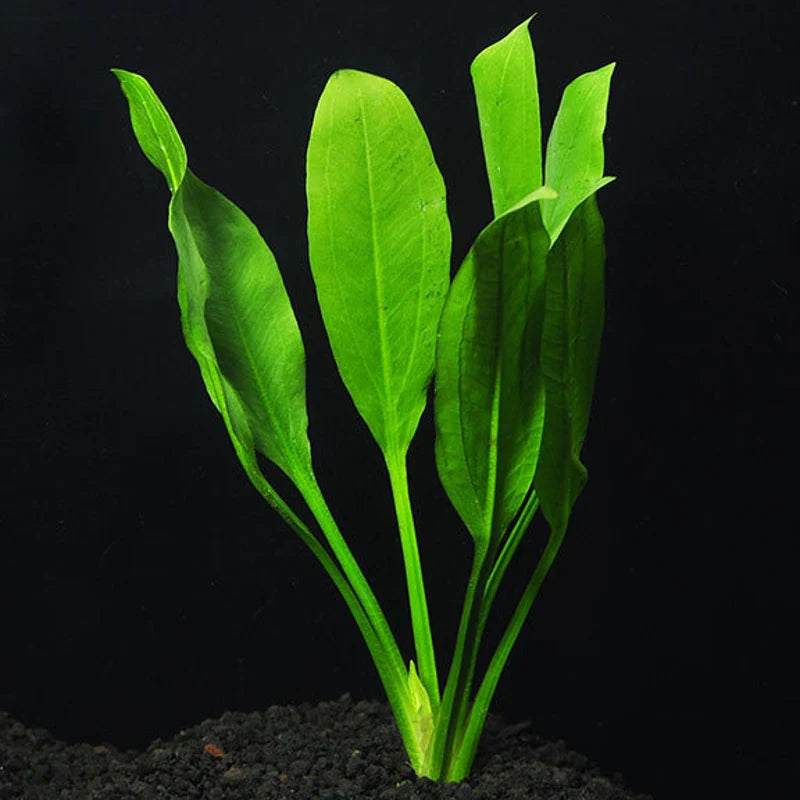
Healthy growth starts with matching each plant to the aquarium around it. Light, CO₂, placement and growth rate all influence how a plant settles in, how quickly it develops and how much maintenance it will need.
Choose plants that suit the lighting you already have. Stronger light can support faster growth, but it also increases demand for nutrients and carbon.
Many beautiful planted aquariums can be kept without injected CO₂. Higher-demand species may benefit from it, so choose plants that match the type of setup you want to maintain.
Use foreground, midground, background and hardscape plants to create depth and balance. The right placement helps every plant look intentional rather than crowded.
Fast-growing plants fill space quickly, while slower growers hold their shape for longer. Choose a mix that suits how often you want to trim and reshape the aquarium.
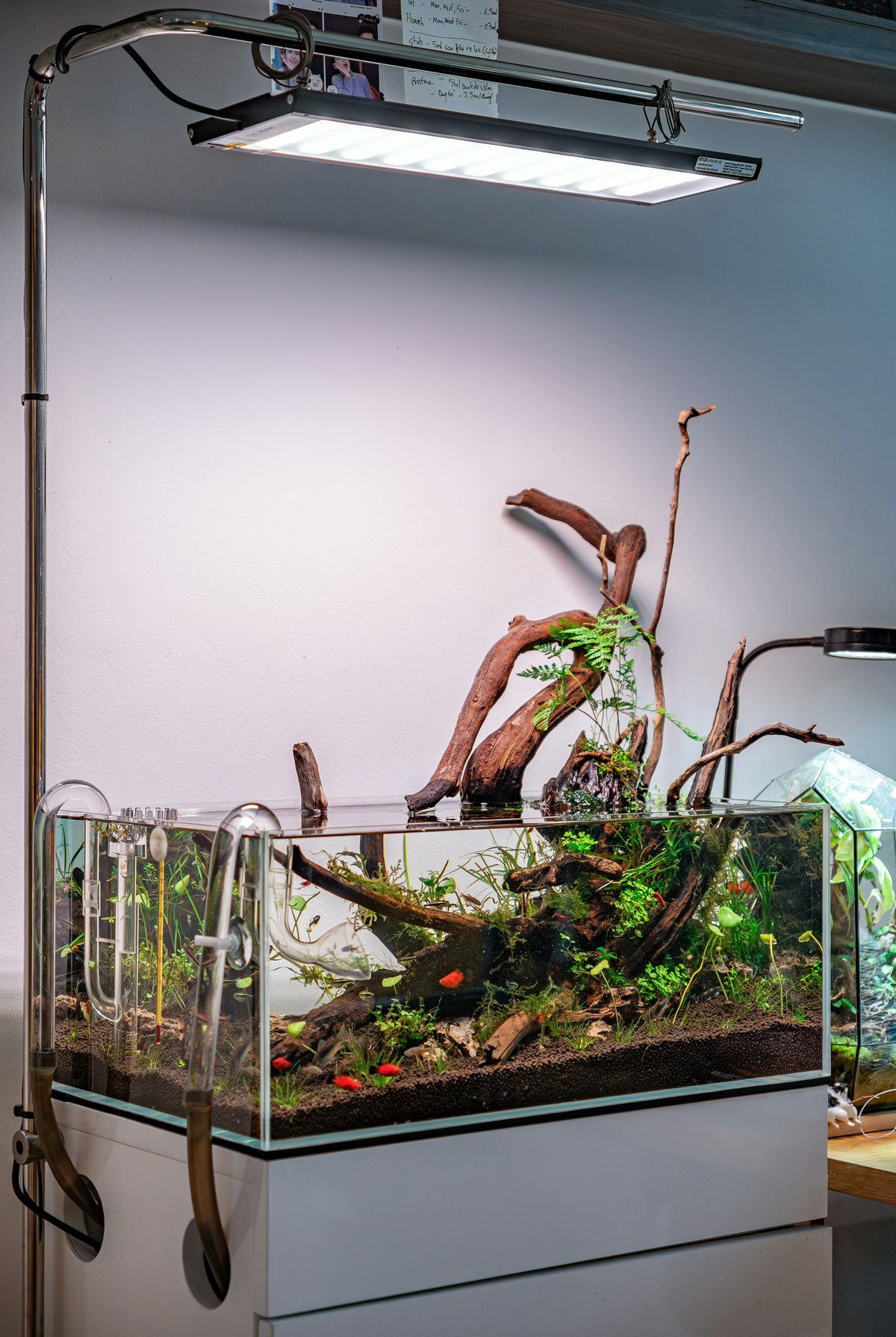
Use lower plants near the front, stronger shapes through the middle and taller growth towards the back. Add epiphytes to rock and wood to connect the planting naturally to your hardscape.
You do not need to fill every centimetre. Leaving open space around feature plants, hardscape and swimming areas gives the aquarium room to breathe and makes the planting feel more deliberate.
Shop by planting styleBrowse plants by the way they are most commonly used in an aquarium, from easy low-tech choices to hardscape plants, taller background growth and distinctive feature species.
Dependable choices for planted aquariums that favour steady growth and straightforward care.
Add natural detail to driftwood and stone with plants that are at their best attached to hardscape.
Create height, movement and a lush planted backdrop while softening the edges of equipment and hardscape.
Give unusual textures, colours and leaf forms enough space to become a focal point in the aquarium.
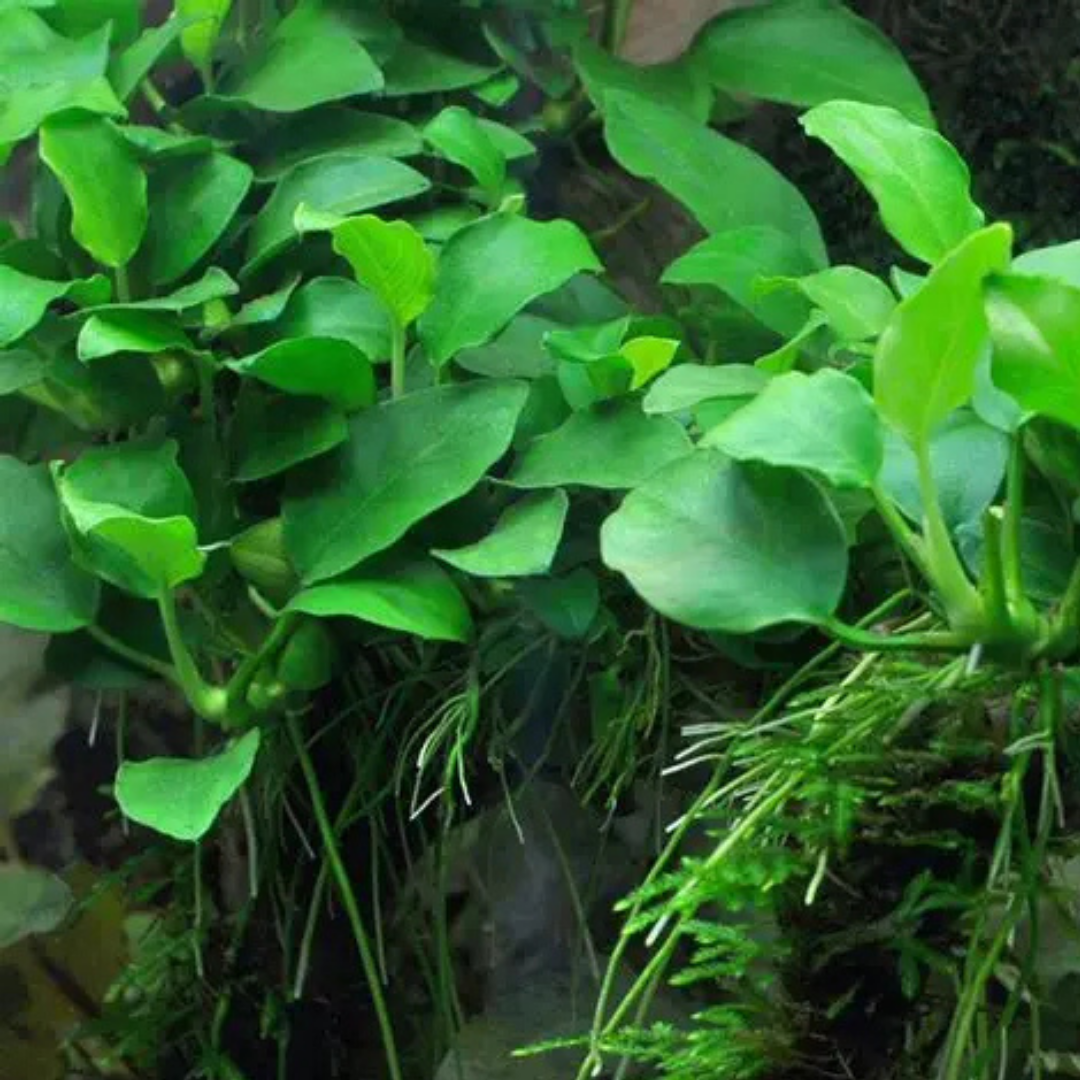
Plants grow, spread and change the shape of the aquarium. A little regular attention keeps that growth healthy and lets you shape the tank as it matures.
Give each plant enough room to settle in and develop without immediately competing with everything around it.
Fresh leaves are one of the clearest signs that a plant is adapting well to its new aquarium.
Pruning keeps plants healthy, prevents overcrowding and helps the aquascape hold the shape you want.
No. Many aquatic plants can be kept successfully without injected CO₂. CO₂ expands the range of plants you can grow and can increase growth rates, but the right choice depends on the lighting, plant species and style of aquarium you want to maintain.
Hardy, slower-growing plants such as many Anubias, Java Fern and Vallisneria are commonly used in lower-tech aquariums. The best beginner plant is still one that matches the light and planting position in your tank.
Their roots can reach into substrate, but the rhizome should not be buried. These plants are usually attached to rock or wood, where the rhizome remains exposed.
There is no single correct intensity for every planted tank. Different species have different requirements, and stronger light also increases demand for nutrients and carbon. Consistency is more useful than simply pushing light as high as possible.
Some plants shed older leaves while adapting to different water, light or growth conditions. What matters is whether healthy new growth begins to appear. Persistent decline can indicate a mismatch in light, nutrients, carbon or planting method.
Live plants add surface area for biofilm, create shelter and make a shrimp aquarium structurally richer. Many plants in the Glass & Gill range are tagged as shrimp-safe, but the whole aquarium still needs stable water and appropriate care.
Both can be useful. Fast growers can fill space quickly and respond visibly to changes in the aquarium. Slow growers hold their form longer and often work well on hardscape. A mix can make a layout easier to balance.
Trim when growth begins to shade other plants, block circulation or distort the shape you are trying to maintain. There is no universal schedule because growth rate varies with species and aquarium conditions.
Choose plants that suit your aquarium, your lighting and the level of maintenance you enjoy. Start simple or build something ambitious — either way, the best planted tanks become more beautiful as they grow in.
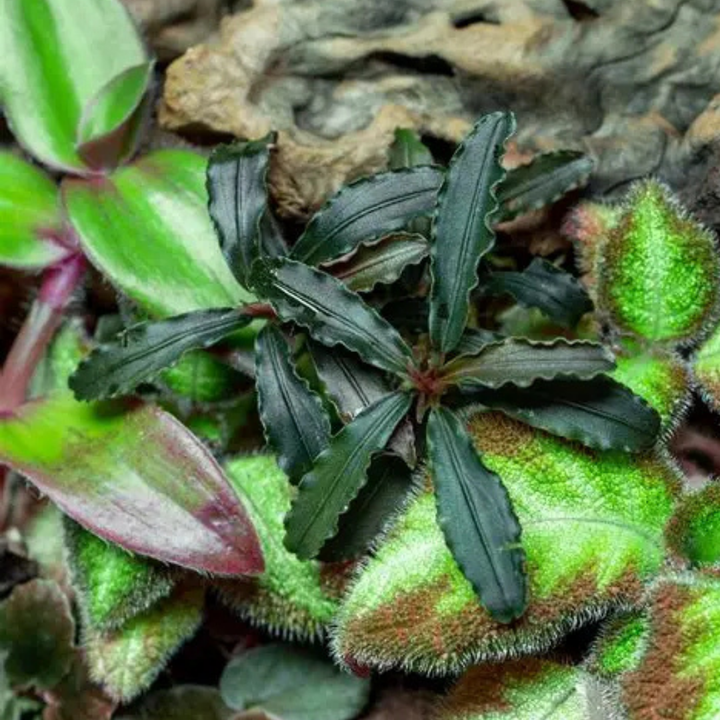
Shop aquatic plants Bucephalandra sp. Velvet Three Colour
 Java Fern (Microsorum pteropus)
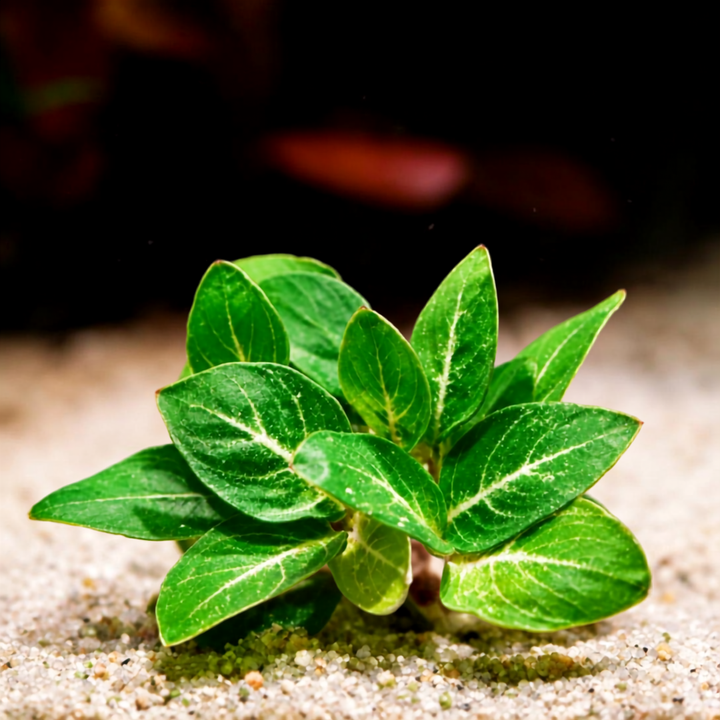
 Anubias Barteri Nana gold
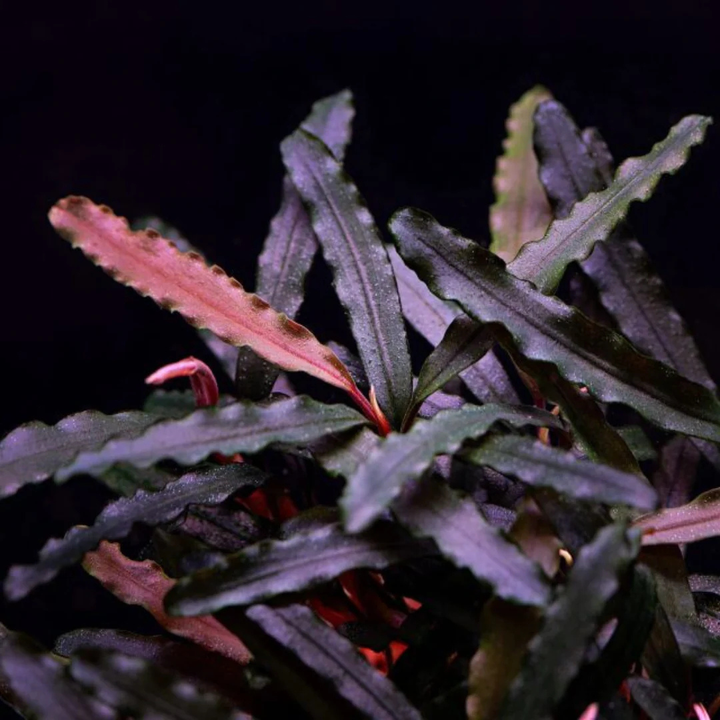
 Bucephalandra Godzilla
 Bucephalandra Catherine Giant
 Vallisneria Spiralis (Spiral Vallis)
 Amazon Sword (Echinodorus spp.)
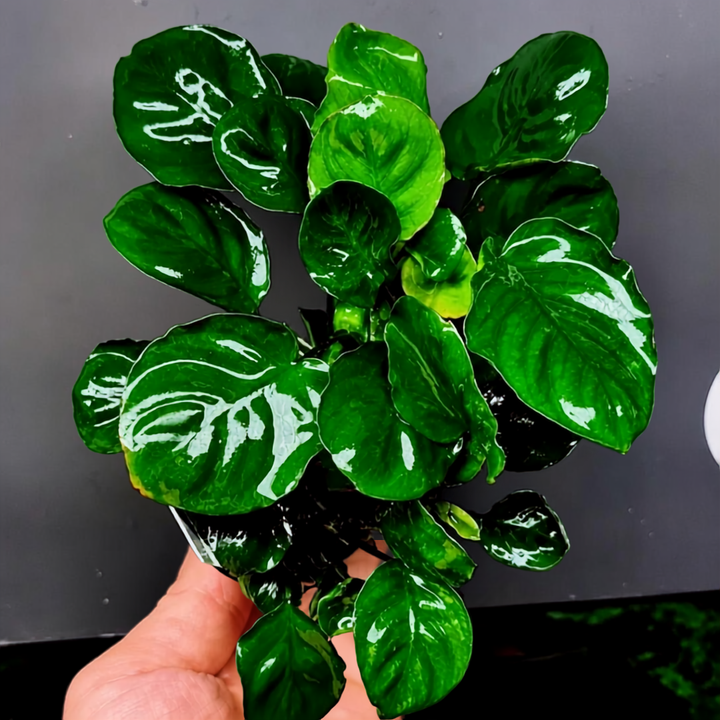
 Anubias King Kong